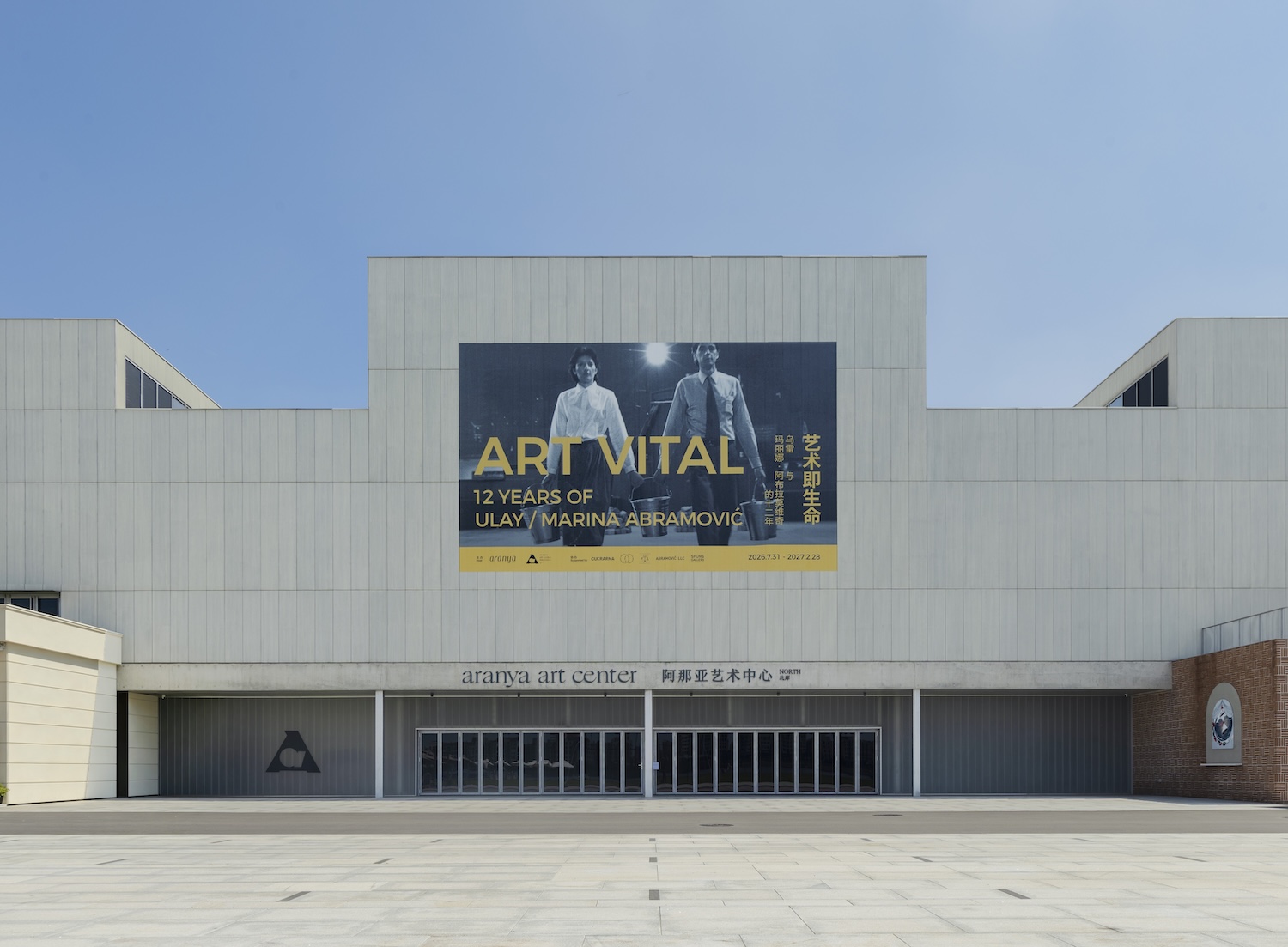
Aranya Art Center North is pleased to present ART VITAL – 12 Years of Ulay / Marina Abramović from July 31, 2026 to February 28, 2027. The exhibition celebrates the iconic partnership between Marina Abramović (b.1946, Belgrade) and Ulay – Frank Uwe Laysiepen (1943, Solingen – 2020, Ljubljana).
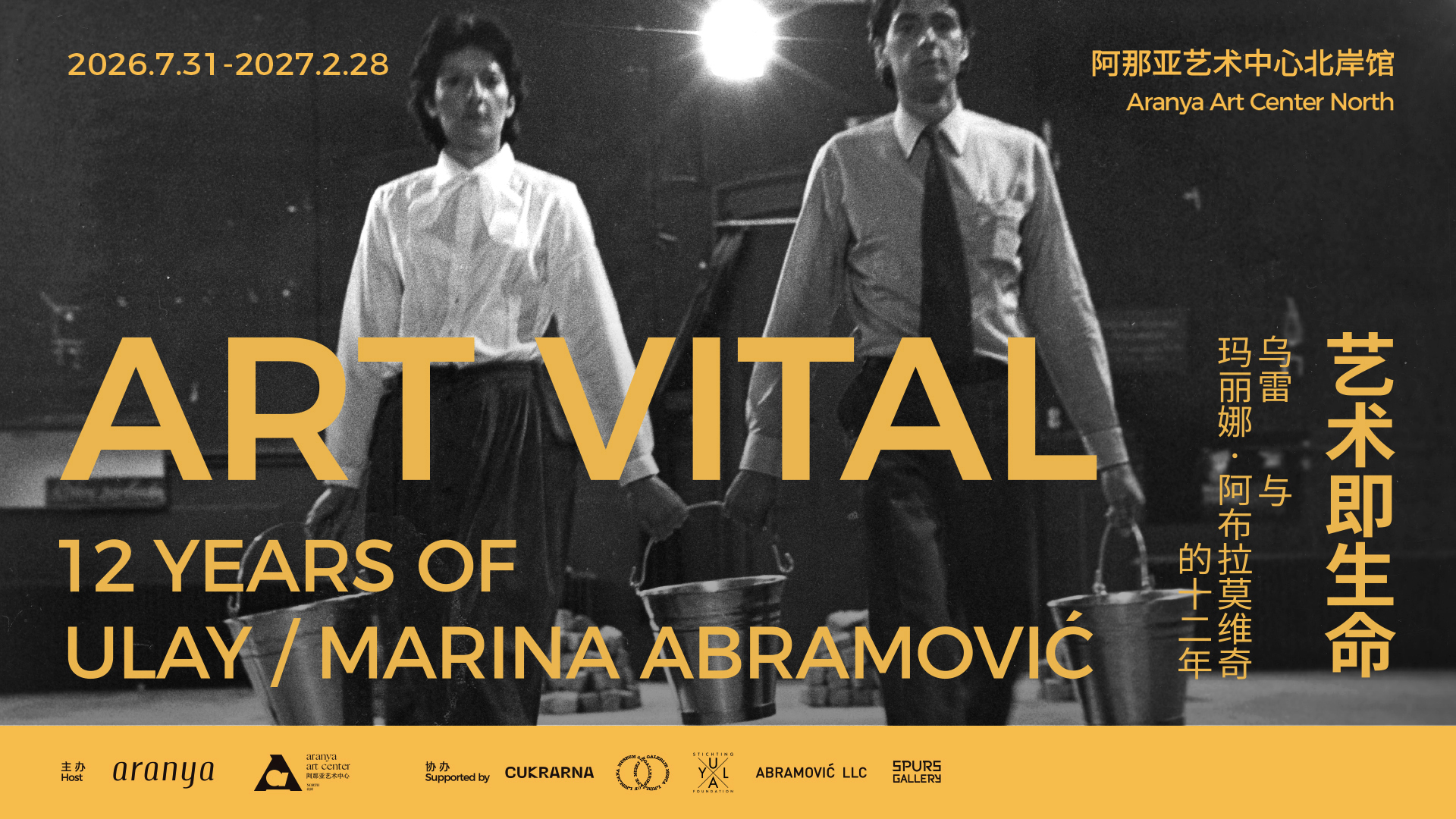
Between 1976 and 1988, the two artists lived and worked together, seamlessly integrating artistic practice into daily life while challenging conventional notions of authorship and identity. Their groundbreaking practice probed vulnerability, resilience, and interdependence, mirroring the intensity of their shared life and creative process.
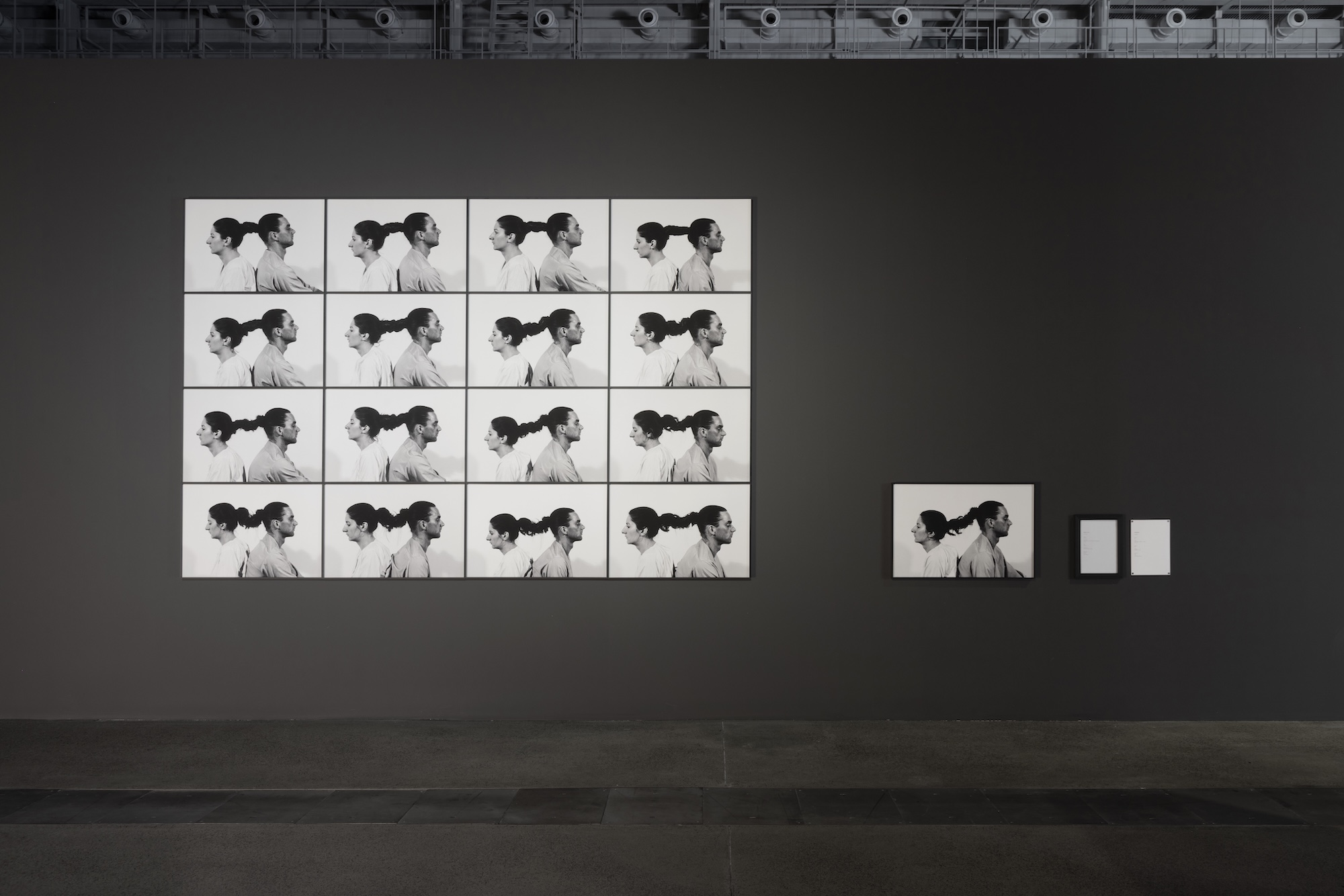
For five years, Abramović and Ulay lived and travelled in a Citroën van, without a permanent studio or home, fully immersing themselves in their artistic journey. Their collaboration began with the performance Relation in Space (1976), exploring endurance, trust, and intimacy, and culminated in the notorious three-month walk along the Great Wall of China, The Lovers: The Great Wall Walk (1988).
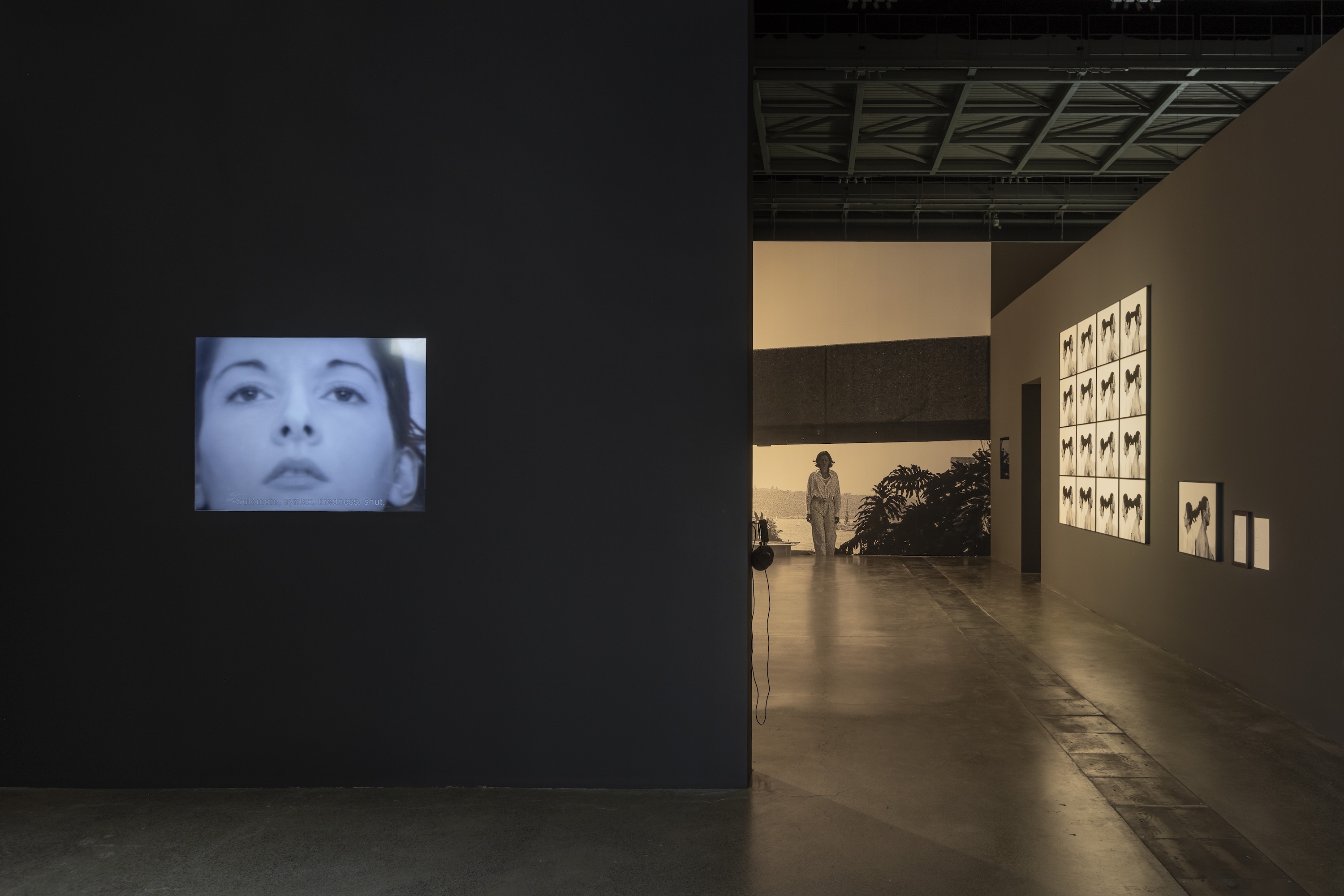
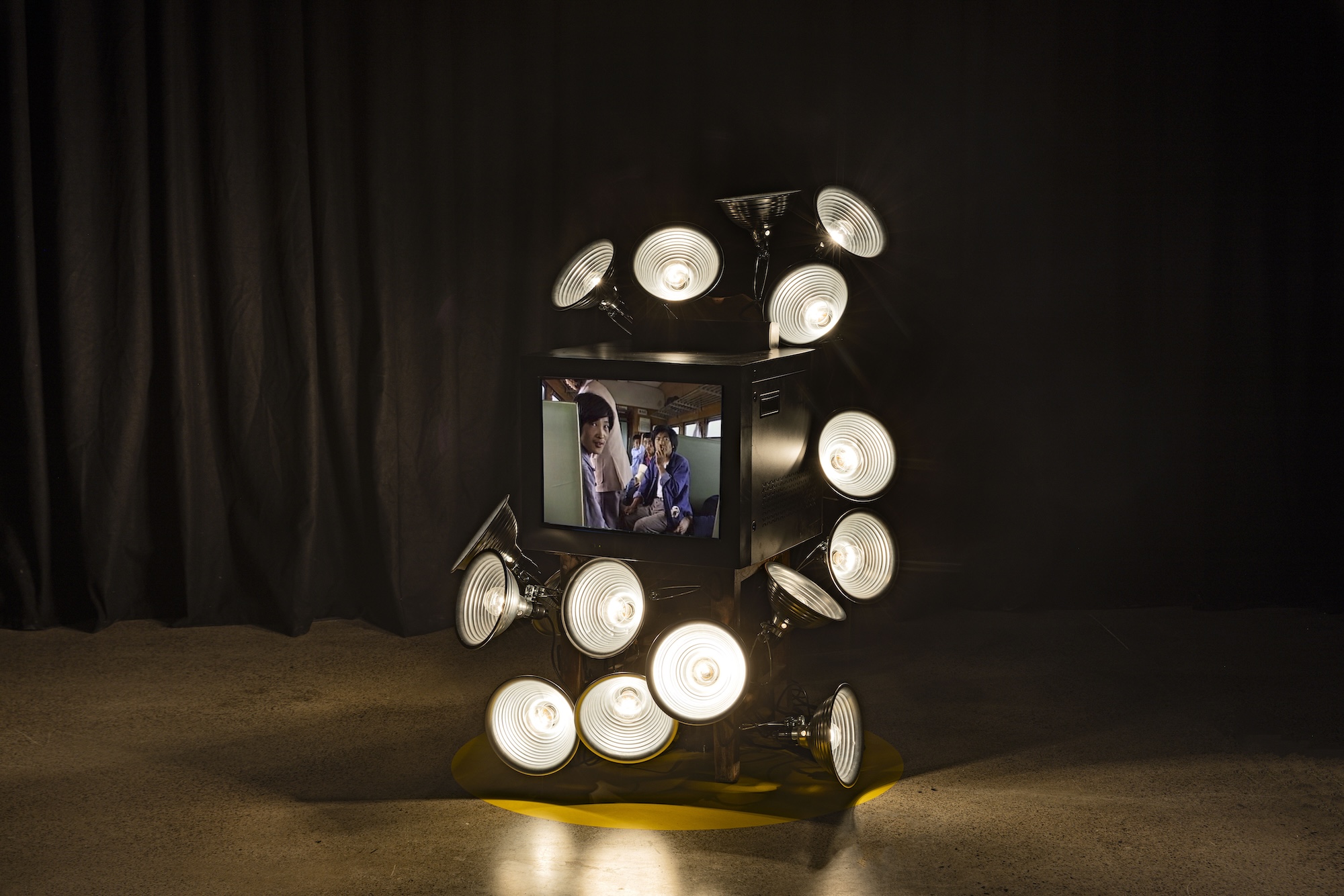
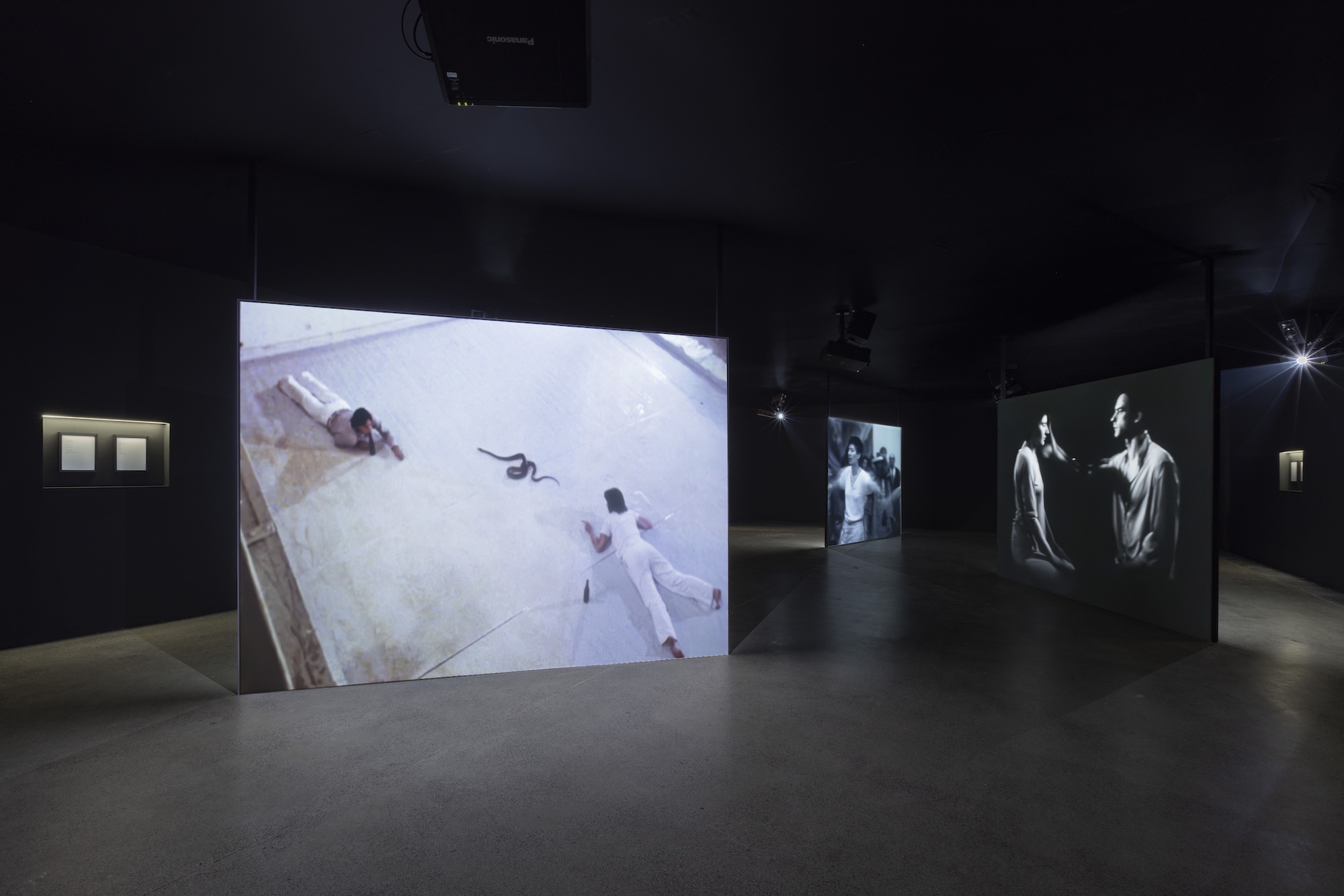
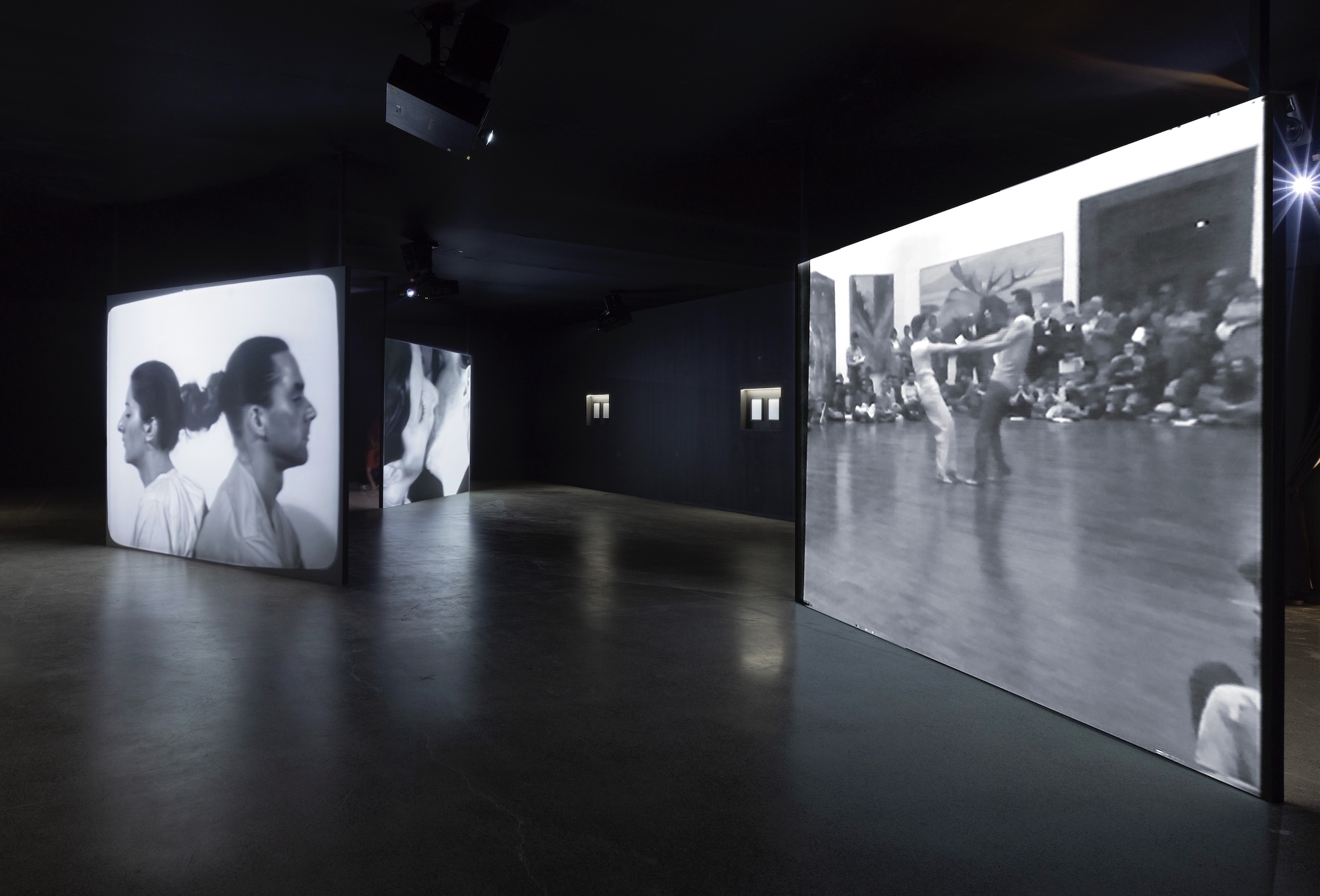
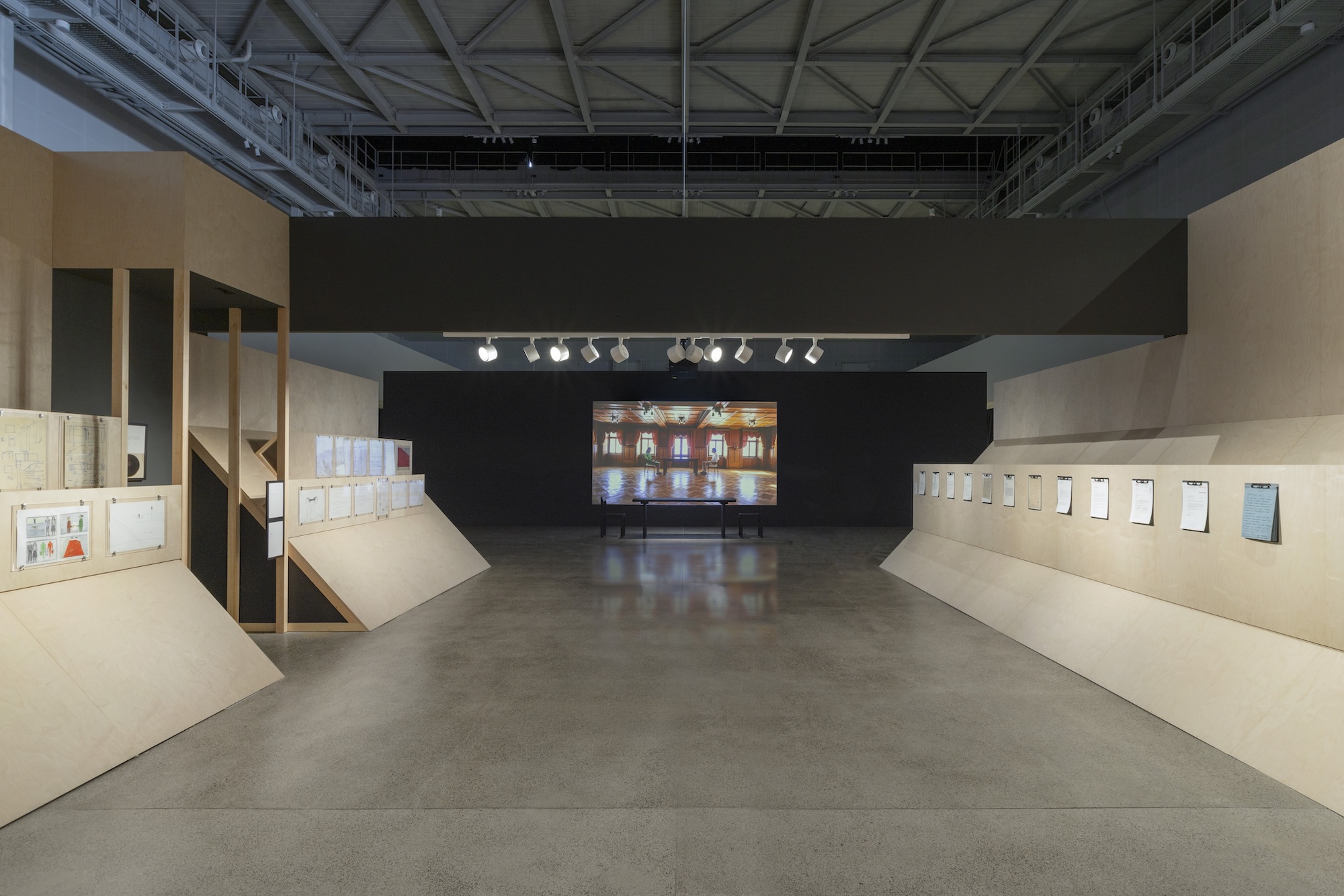
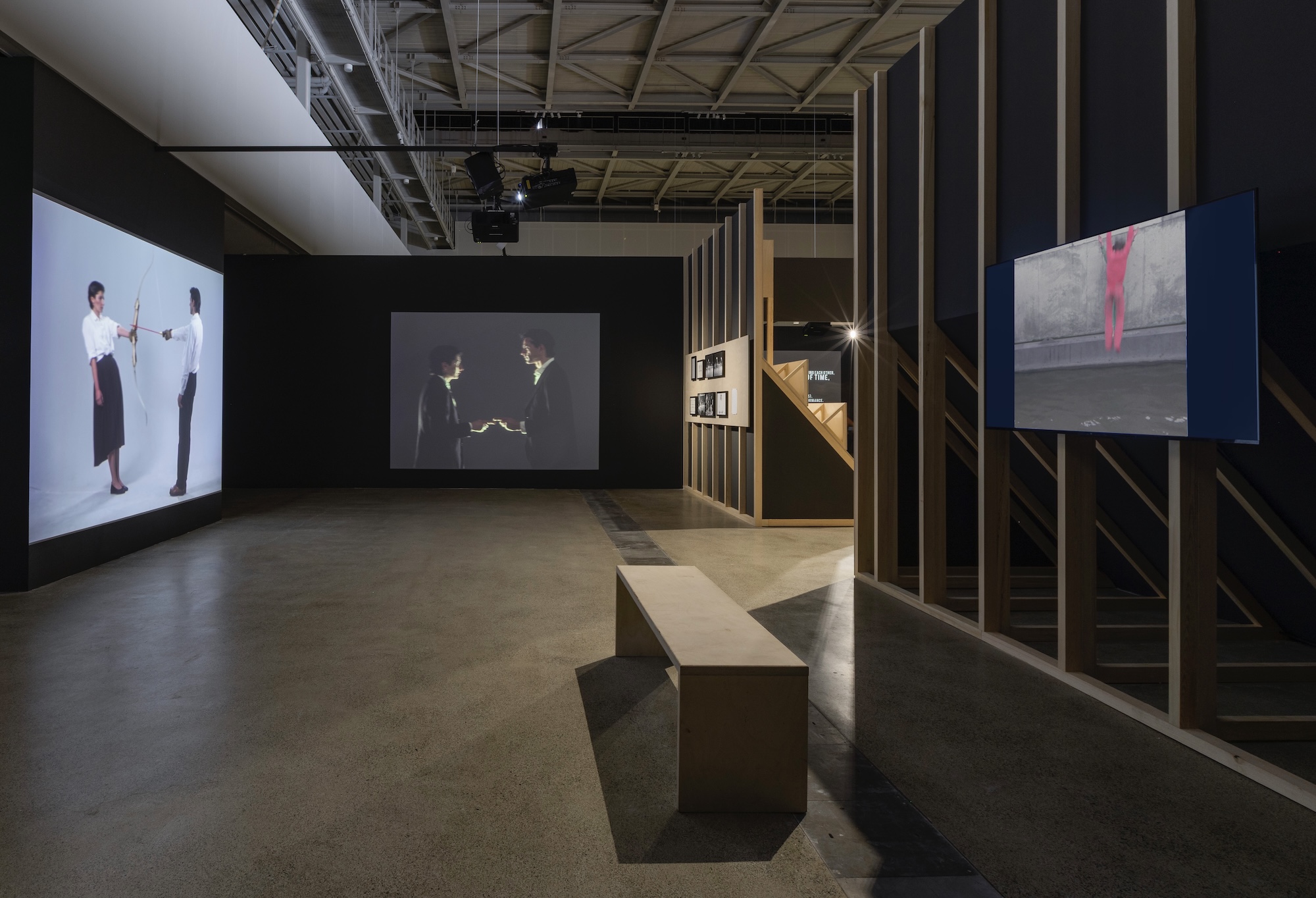
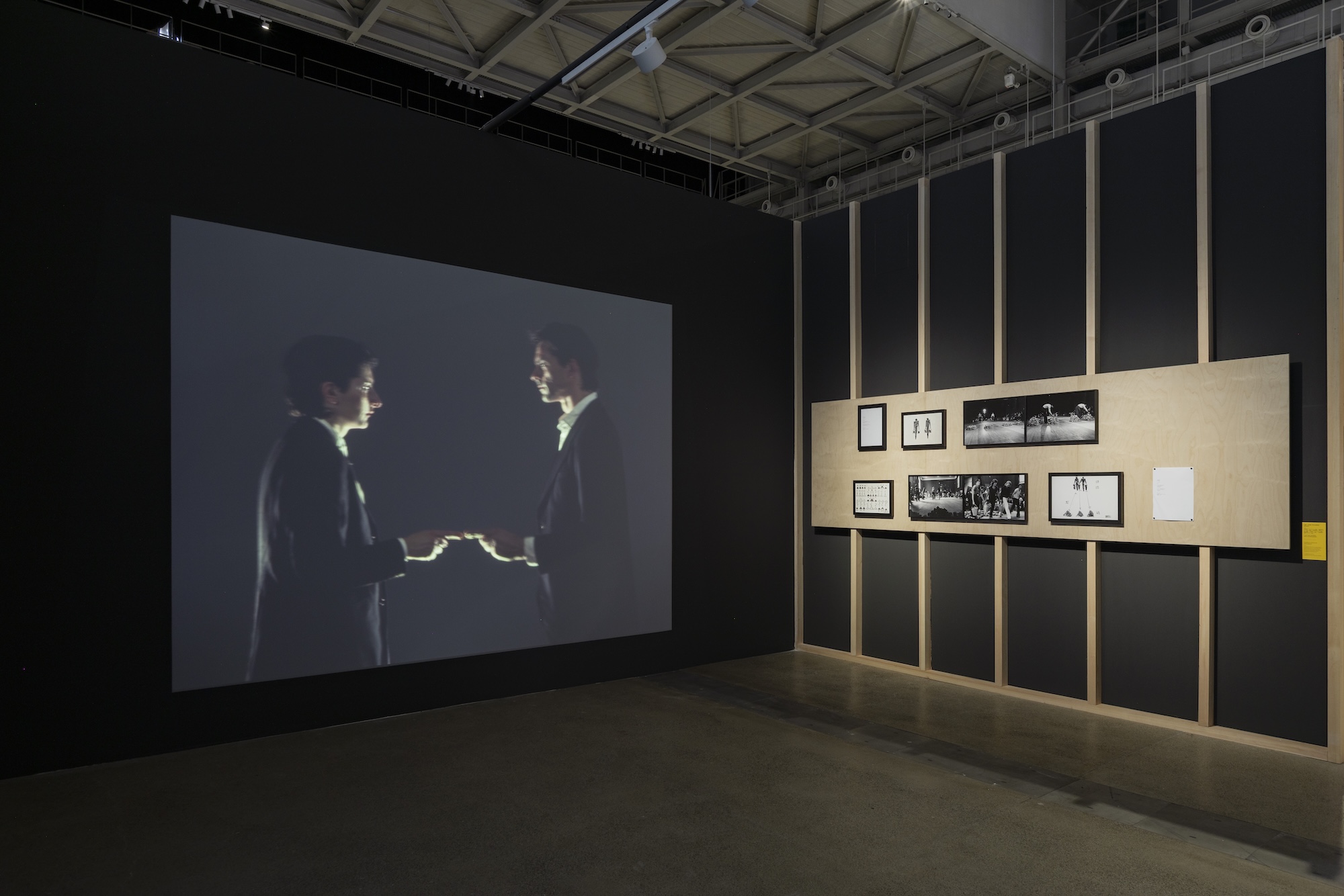
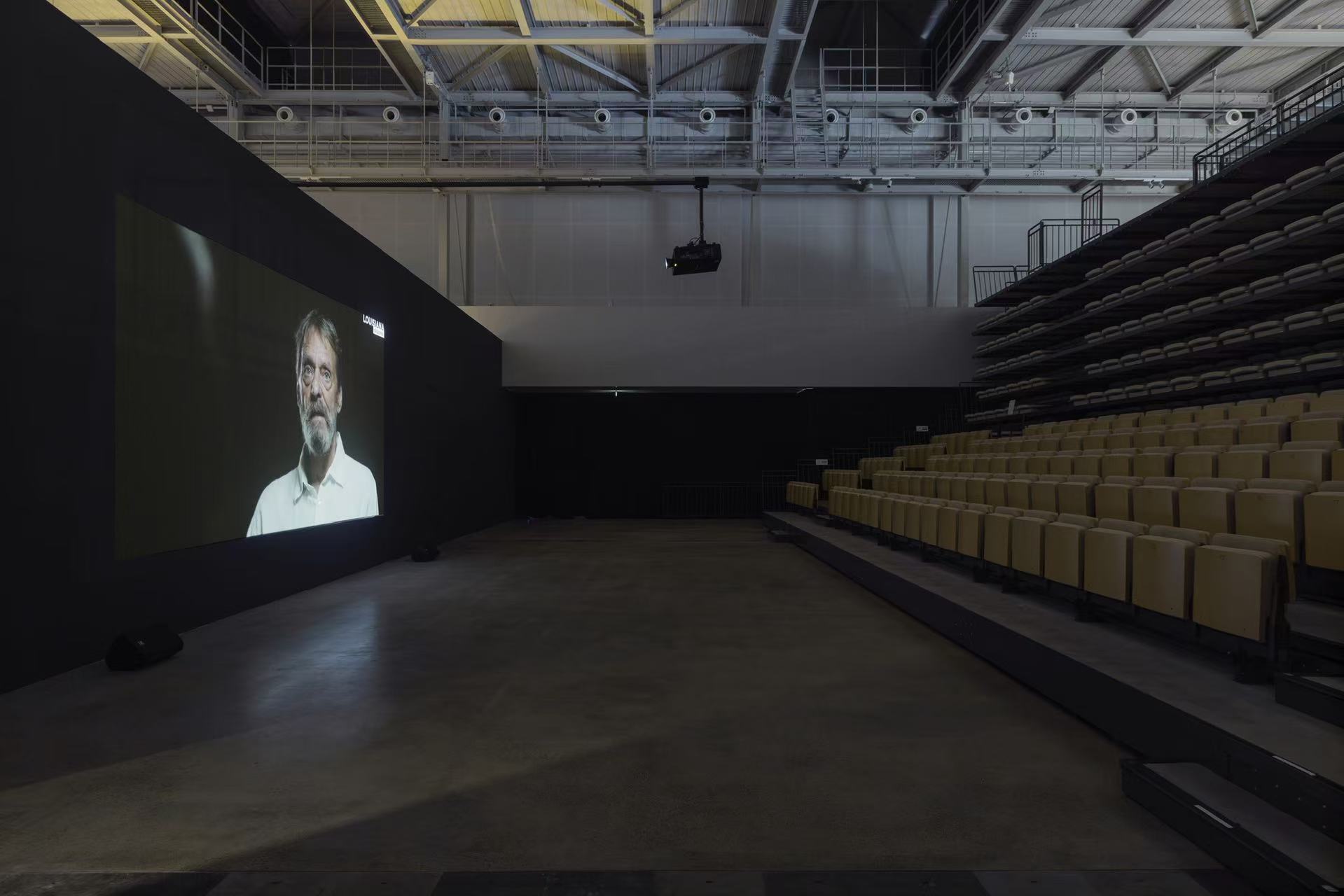
The exhibition brings together videos, photographs, drawings, sketches, letters, diaries, and audio recordings that illuminate both the public performances and the intimate creative processes of Marina Abramović and Ulay’s collaboration. Through archival materials and documentary records, it traces how the artists redefined the dynamics of artistic partnership and self-representation, challenging conventional notions of authorship and dissolving the boundaries between art and life. Occupying the entire space of Aranya Art Center North for the first time, the exhibition unfolds across a series of thematic chapters spanning the twelve years of their collaboration. Marking the second stop in the international itinerary of ART VITAL, it builds on the project’s inaugural exhibition at Cukrarna Gallery in Ljubljana and presents a newly conceived iteration of the project. A subsequent exhibition at the Neue Nationalgalerie in Berlin will offer a further development of ART VITAL in a new institutional context.
The city of Qinhuangdao holds particular significance in the story of Marina Abramović and Ulay, as Abramović began her Great Wall Walk at Shanhaiguan, just 60 kilometres east of Aranya Art Center North. Presenting their shared legacy here therefore carries both symbolic and emotional resonance. ART VITAL brings together art, memory, and lived experience, offering renewed insight into a partnership that continues to resonate as a transformative chapter in contemporary art history. Visitors will encounter previously unseen documents and artworks, learn about the methods and ideas that shaped their practice, and experience key moments from their collaborative oeuvre.
The curatorial concept of the ART VITAL – 12 Years of Ulay / Marina Abramović exhibition was originally conceived by Alenka Gregorič, Artistic Director of Cukrarna Gallery, and Felicitas Thun-Hohenstein, the professor at the Academy of Fine Arts Vienna. The exhibition was first presented at Cukrarna Gallery from November 30, 2025 to May 10, 2026. The China presentation is co-curated by Sherry Lai, Managing Partner of SPURS Gallery. The project was realized in close collaboration with Marina Abramović, Sydney Fishman, and Cathy Koutsavlis from the Marina Abramović Archives,and Lena Pislak, Director of the ULAY Foundation, with strong institutional support from Cukrarna / MGML, the Louisiana Museum of Modern Art, and numerous other sponsors, partners, and contributors.
Now, step into these twelve years—this was not just their journey; it is a mirror for all who aspire to embrace art with their very lives.
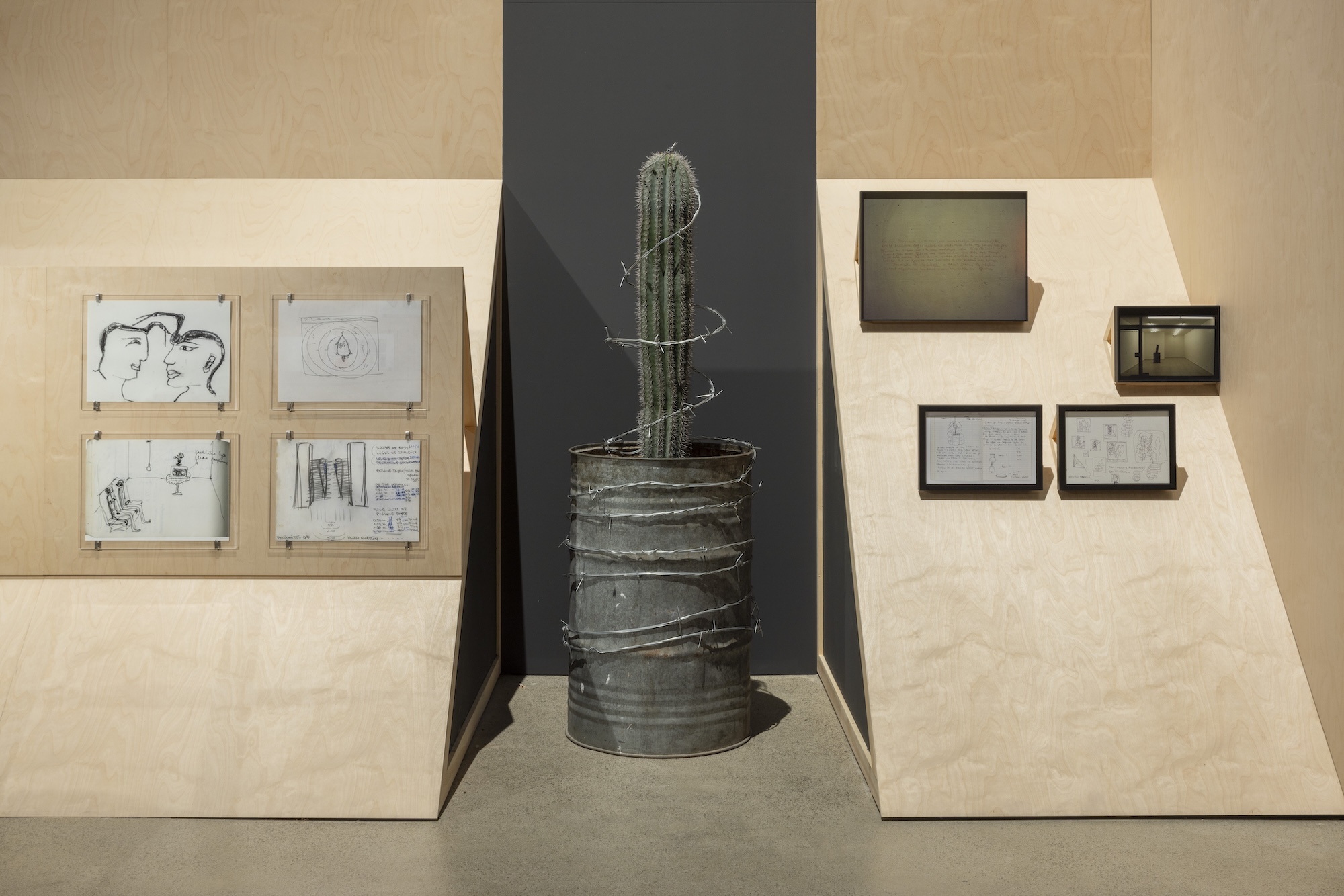
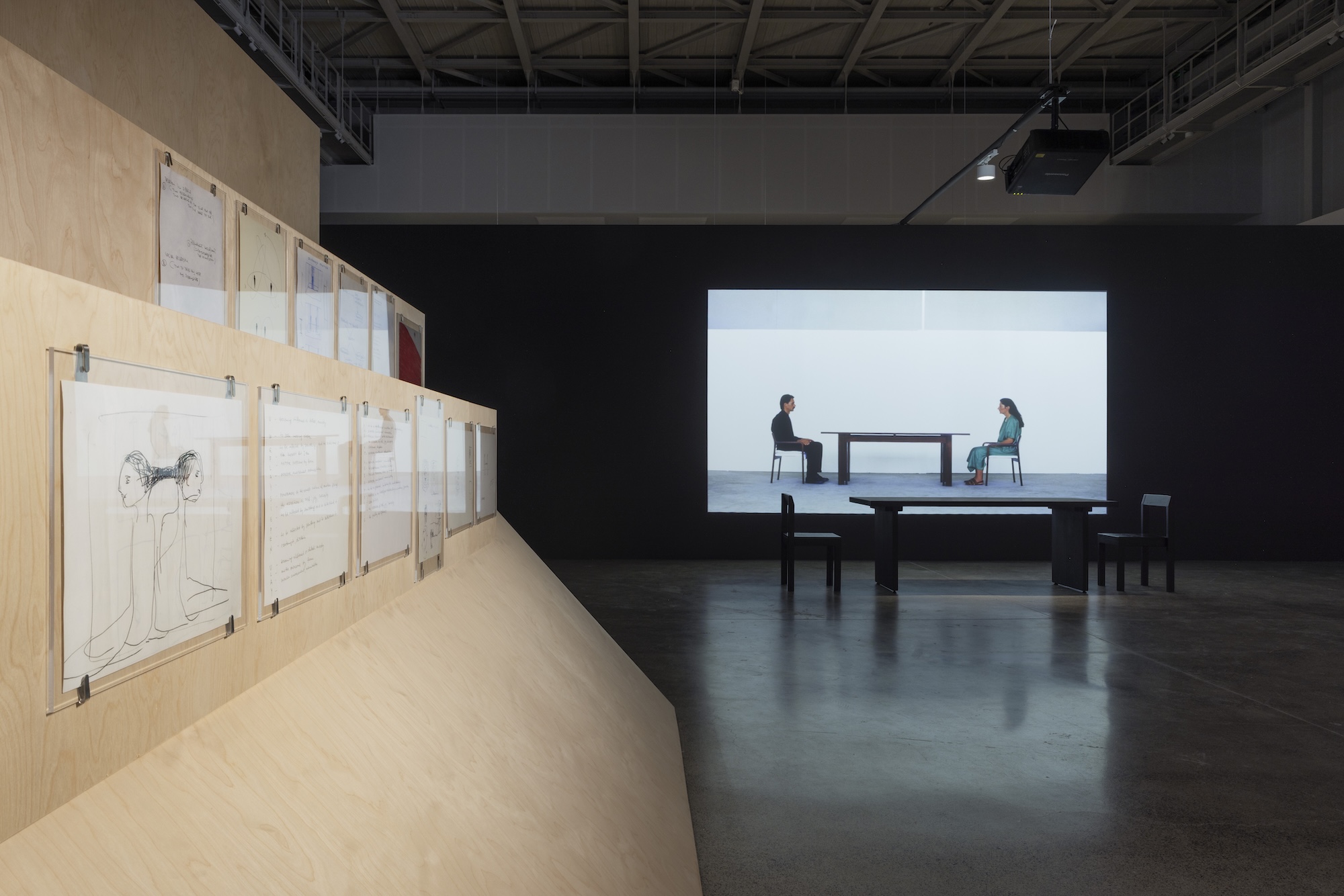
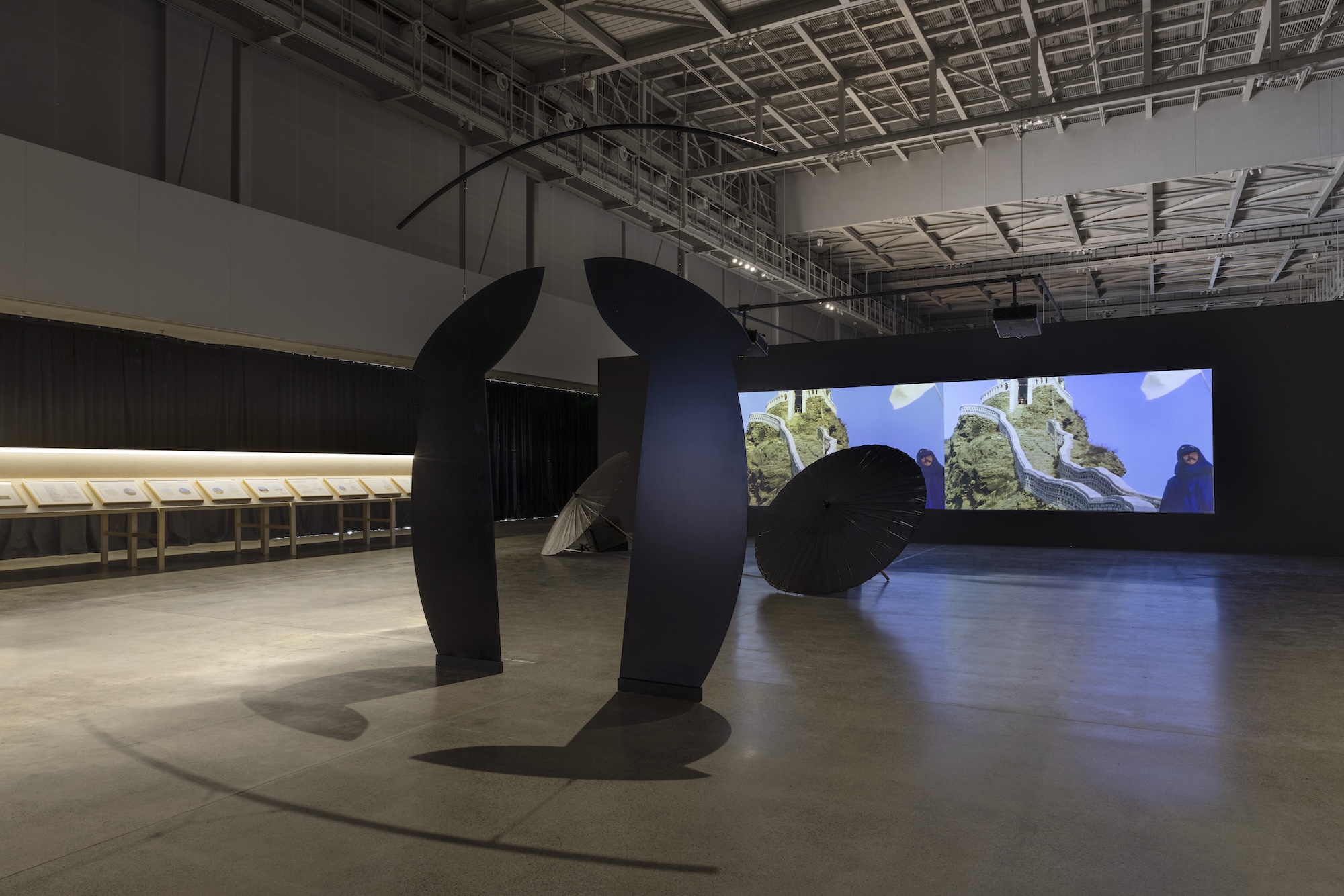
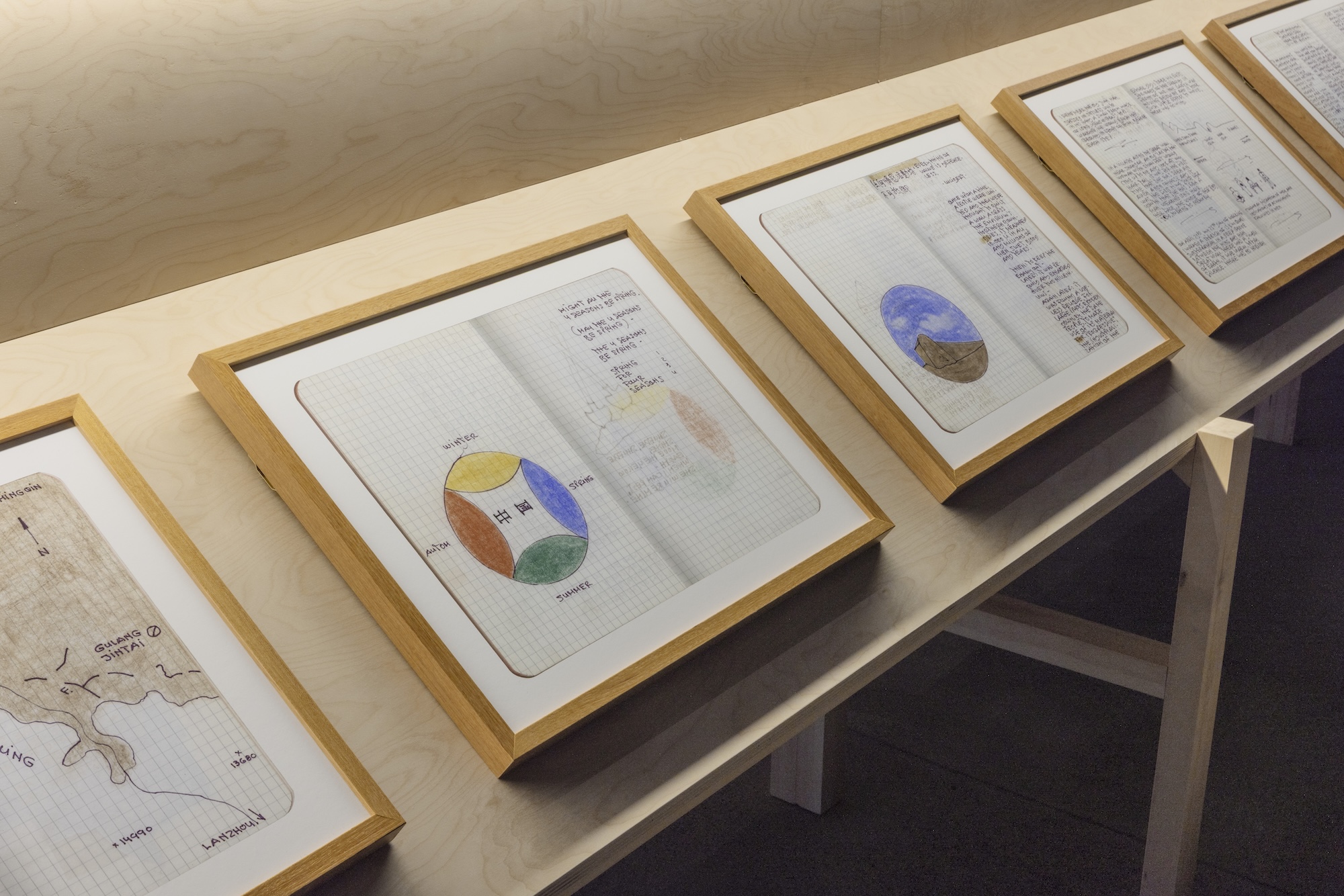
Ulay
Ulay (November 30, 1943–March 2, 2020) was a pioneering artist who redefined the boundaries of Polaroid photography, performance art, and the interplay between the two. His art, regardless of medium, was a force of disruption, challenging conventions, pushing limits, and confronting uncomfortable truths about identity, the body, and society.
Born Frank Uwe Laysiepen in Solingen, Germany, in 1943, Ulay left his homeland in the late 1960s for Amsterdam, where he became involved with the Provos, a Dutch anarchist movement. This period of social and political activism laid the groundwork for his lifelong commitment to challenging norms and questioning authority. As a consultant for Polaroid International Amsterdam, Ulay had access to a wealth of photographic resources. He began experimenting with the Polaroid camera, not merely as a tool for documentation but as an active participant in his artistic process. He coined the term “performative photography” to describe this approach, where the act of taking the photograph became an integral part of the performance itself. Through his “Auto-Polaroid” series, he explored themes of identity, gender, and the transformative potential of the body, often using his own image as the subject. He manipulated his appearance in myriad ways, questioning traditional notions of masculinity and femininity.
Ulay’s photographic approach became increasingly performative, culminating in a series of five “Fototot” (“photo-death”) performances in 1975/76. These actions, some public and some private, further blurred the lines between photography and performance. He used these performances to question the role of the audience and to demonstrate the transient nature of identity, even within the seemingly fixed medium of photography. As he stated, “I wanted to demonstratively bury photography.”
Before embarking on his renowned collaboration with Marina Abramović, Ulay executed the iconic action Irritation—There Is a Criminal Touch to Art (1976) in Berlin. This carefully planned performance involved stealing a painting from a museum and placing it in the home of a Turkish family, highlighting issues of social injustice and cultural appropriation. This action, born from an “urge to act,” reflected his ongoing engagement with social and political issues.
From 1976 to 1988, Ulay collaborated with Marina Abramović, forming one of the most celebrated artistic partnerships of the 20th century. Their intensely symbiotic relationship, both personal and artistic, led to groundbreaking performance works that pushed the limits of physical and emotional endurance. Together, they explored themes of trust, connection, and the duality of human experience. Works like Rest Energy (1980), where they held a bow and arrow with the arrow pointed at Abramović’s heart, exemplified the intensity and risk-taking inherent in their collaborative practice.
Their final collaborative work, The Lovers: The Great Wall Walk (1988), saw them walk from opposite ends of the Great Wall of China, meeting in the middle to mark the end of their relationship. This epic performance, imbued with symbolism and personal significance, marked a turning point in both their careers.
After his collaboration with Abramović, Ulay continued to explore photography, performance, and social activism. He addressed the position of marginalized individuals in society through works like Can’t Beat the Feeling—Long Playing Record (1992), a series of portraits of New York’s homeless population and African American judges. He also re-examined the problem of nationalism and its symbols in series like Berlin Afterimages (1994-1995).
In his later years, Ulay became increasingly engaged with environmental issues, particularly the importance of water. Projects like WATERTOALL (2004), Waterfonie (2009), and Whose Water Is It? (2012) reflected his concern for the planet and his desire to use art as a tool for social change.
Ulay’s artistic legacy is one of relentless exploration, boundary-pushing experimentation, and a deep commitment to social and environmental causes. His work continues to inspire and challenge audiences worldwide.
Ulay’s work is featured in the collections of major art institutions around the world, such as Centre Georges Pompidou, Tate London, Kunstmuseum Bern, Stedelijk Museum, San Francisco Museum of Modern Art (SFMOMA) and The Museum of Modern Art (MoMA).
Marina Abramović
Since the beginning of her career in Belgrade during the early 1970s, Marina Abramović has pioneered performance as a visual art form. She created some of the most important early works in this practice, including Rhythm 0 (1974), in which she offered herself as an object of experimentation for the audience, as well as Rhythm 5 (1974), where she lay in the centre of a burning five-point star to the point of losing consciousness. These performances married concept with physicality, endurance with empathy, complicity with loss of control, passivity with danger. They pushed the boundaries of self-discovery, both of herself and her audience. They also marked her first engagements with time, stillness, energy, pain, and the resulting heightened consciousness generated by long durational performance.
Abramović was one of the first performance artists to become formally accepted by the institutional museum world with major solo shows taking place throughout Europe and the US over a period of more than 25 years. In 2010, Abramovic had her first major U.S. retrospective and simultaneously performed for over 700 hours in The Artist is Present at the Museum of Modern Art in New York. Her first European retrospective The Cleaner was presented at Moderna Museet in Stockholm, Sweden in 2017, followed by presentations at the Louisiana Museum of Modern Art in Copen- hagen, Denmark, Henie Onstad, Sanvika, Norway (2017), Bundeskunsthalle, Bonn, Germany (2018), Centre of Contemporary Art, Torun (2019), and concluding at the Museum of Contemporary Art Belgrade, Serbia (2019). In 2023, Abramović was the first female artist to host a major solo exhibition in the Main Galleries of the Royal Academy of Arts in London. This exhibition then toured throughout Europe through 2026. In 2024, Abramović opened her first solo exhibition in China, Transforming Energy, at the Museum of Modern Art, Shanghai.
In 1997, Abramovic was awarded the Golden Lion Award for Best Artist for her performance Balkan Baroque at the Venice Biennale. In 2006, Abramovic received the U.S. Art Critics Association Award for Best Exhibition of Time Based Art for her performance Seven Easy Pieces at the Guggenheim in New York City. In 2008, Abramovic received the Austrian Decoration of Honor for Science and Art in Vienna. In 2011, she was awarded Honorary Royal Academician status by The Royal Academy in London. In 2013, Abramovic was awarded the Ordre des Arts et des Lettres Officer for her work in Bolero, Paris and in 2022, she was promoted to Ordre des Arts et des Lettres Commander. In 2014, Abramovic was named one of The 100 Most Influential People by TIME Magazine. In 2021, Abramovic was awarded the Princess de Asturias Award for the Arts, in Spain and the Golden Medal for Merits from the Republic of Serbia. In 2023 she was awarded the Sonning Prize from the University of Copenha- gen, and officially received the award in 2024. In 2024, she was awarded an honorary degree from the Albertina Academy in Turin and the Luxembourg Peace Prize from the World Peace Forum. In 2025 she was awarded the Praemium Imperiale for Sculp- ture by the Japan Art Association (2025).
